
Optimize Your Operations with Professional IT & Server Room Management
IT and server room environments are treated as live operating systems rather than static infrastructure. Every component inside a server room contributes to how business operations behave in real time.
When one layer becomes unstable, the effect spreads across multiple services without immediate visibility at the surface level. Management starts with understanding how the infrastructure is currently performing under real business load.
This includes how servers handle simultaneous requests, how storage systems respond during peak access periods, and how network routing adjusts when demand increases. Instead of focusing on isolated hardware checks, attention is placed on system interaction behavior.
A server may show normal status individually, but still create a performance imbalance when connected services begin to interact under pressure. The purpose of this approach is to maintain consistent operational flow across all connected systems. Stability is measured through continuity of performance, not just absence of failure.
We track server behavior, resource consumption, and service performance patterns to identify instability before it affects daily operations. This allows corrective action to take place before users experience disruption.
Modern server environments rely on multiple connected services working together. We analyze how applications, storage systems, networks, and authentication services interact so problems can be traced to their actual source rather than the visible symptom.
Every recommendation is made with business continuity in mind. From redundancy planning to performance optimization, the goal is maintaining stable operations and reducing the risk of unexpected downtime across critical systems
Server environments in Los Angeles do not fail. Most breakdowns appear after long periods of unnoticed strain across storage systems, network routing layers, and service dependencies.
What looks like a sudden outage is usually the final stage of a slow structural imbalance. PC Helper Team approaches server environments by reading how systems behave under continuous load rather than only reacting to alerts or error logs.
The focus is on identifying where operational pressure is building before it becomes a failure point.
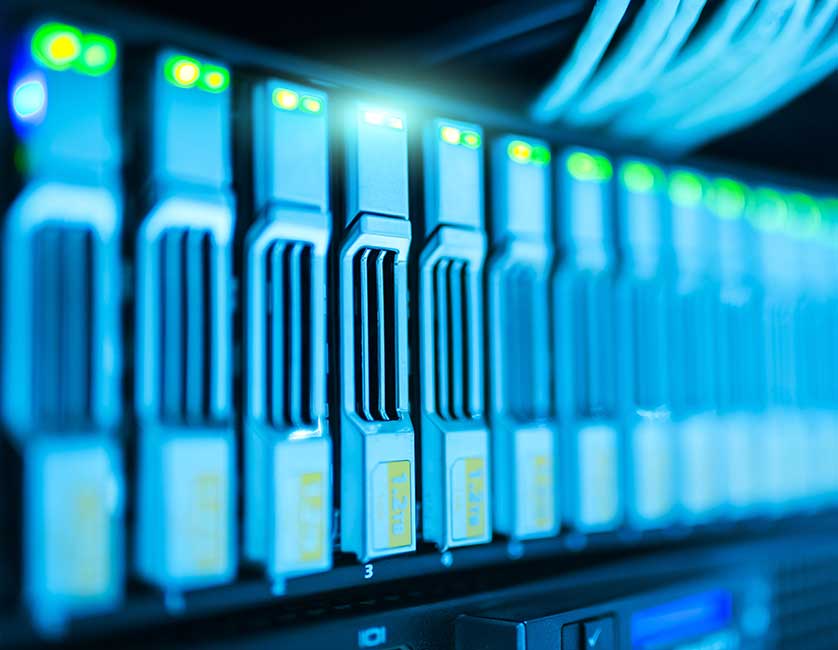

Every server room behaves as a connected ecosystem. Storage, compute, network flow, and service layers are evaluated together instead of independently. A server may appear stable on the surface but still carry hidden performance drift inside background services.
In many Los Angeles business setups, this drift is what leads to unpredictable downtime during peak hours. Evaluation begins by observing system response under load variation. If performance degrades under normal traffic conditions, the issue is mapped to dependency imbalance rather than hardware failure alone.
Business environments in Los Angeles often run mixed workloads across accounting systems, communication tools, databases, and cloud integrations. These layers interact continuously. When one layer slows down, the effect spreads across the entire system.
For example, a delayed database response can trigger application timeouts, which then appear as network instability. Server management is built around tracking this chain reaction behavior. The goal is not to isolate one failing component but to stabilize the full operational flow.


Server stability is not measured only through uptime percentages. It is measured through consistency of response under changing load conditions.
PC Helper Team reviews patterns such as service delay accumulation, resource saturation trends, and recovery behavior after minor disruptions.
These signals indicate whether a server is operating within safe performance boundaries or moving toward instability. When instability signals appear, adjustments are made before failure occurs. This reduces sudden downtime events and protects business continuity.
Server rooms are structured differently depending on business type. Law firms, financial offices, healthcare systems, and real estate operations each create different load patterns and security requirements.
Instead of applying a single configuration model, server environments are aligned with actual usage behavior. This includes service prioritization, load balancing structure, and redundancy alignment based on operational risk. The goal is stable execution under real workload conditions, not ideal lab performance.
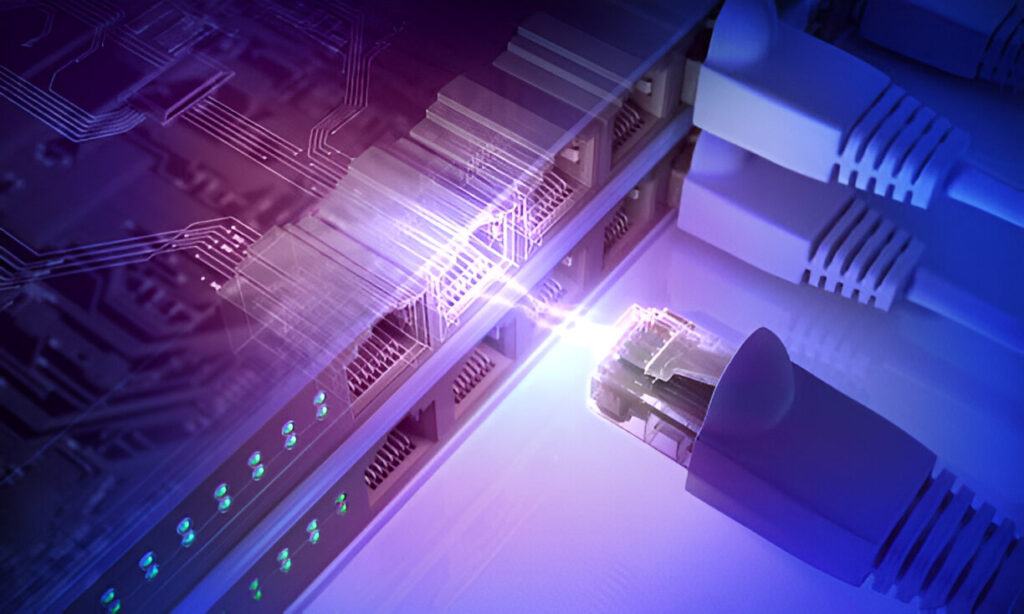
As cloud services rely on networks, PCHelperTeam’s IT network monitoring and control services are now essential for IT.
Maximizing service effectiveness, fixing issues, and promoting ongoing service innovation are PCHelperTeam’s round-the-clock support goals.
Receive managed cloud solutions for quick and accurate problem identification and diagnosis with us.
We will do as you ask! Entrust us with your IT management services, or let us collaborate with your IT experts.
We ensures that your IT infrastructure is constantly optimized to deliver the dependable and highly accessible services that businesses require.
By supporting software and on-premise installations, We Provide Solutions ensures that programs are always optimized.
